




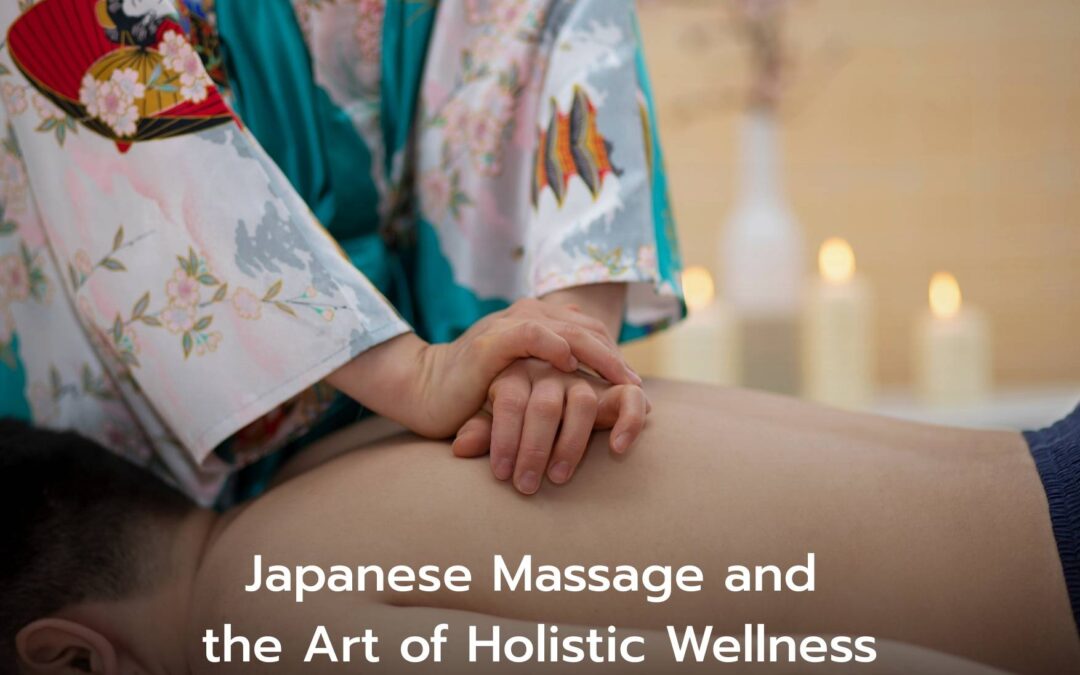
Japanese massage is widely recognized as a refined wellness practice that prioritizes balance, mindfulness, and harmony rather than intensity. Rooted in Japanese philosophy, this approach emphasizes the integration of physical condition, mental clarity, and emotional stability—core elements of holistic wellness.
Table of Contents
Within this broader tradition, Nuru massage has emerged as a contemporary expression of Japanese massage principles. Rather than treating discomfort in isolation, Nuru massage engages the body as an interconnected system through continuous, fluid movement and mindful touch. This integrated perspective reflects the Japanese wellness belief that true relaxation arises when the body and mind are allowed to move, respond, and restore balance together, which explains its growing popularity in modern wellness environments.
Understanding Traditional Japanese Bodywork
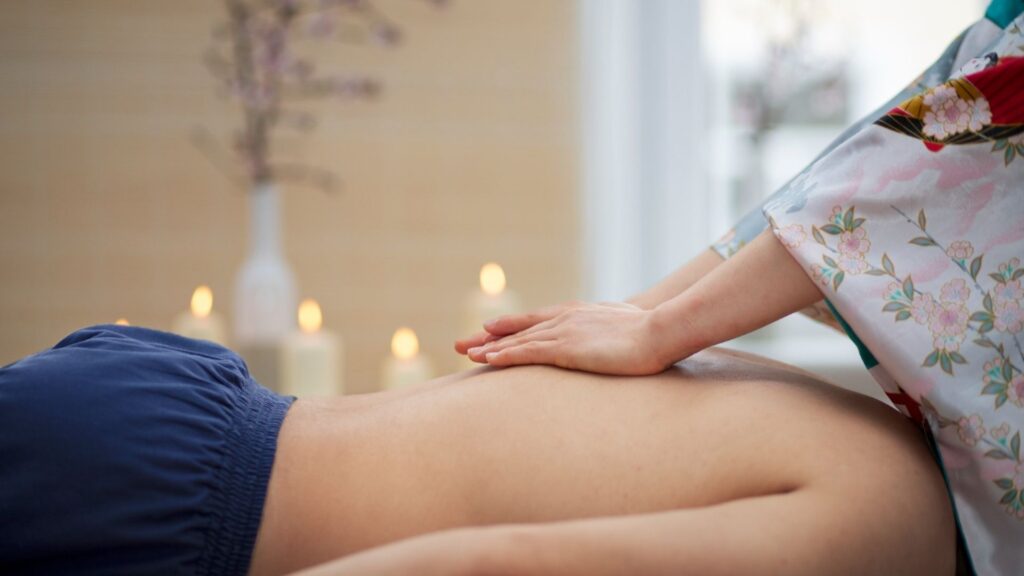
Traditional Japanese bodywork developed alongside Eastern medical principles that prioritize prevention, balance, and natural energy flow. Instead of aggressive manipulation, practitioners rely on controlled pressure, posture awareness, and mindful movement.
This method encourages the body to restore equilibrium on its own, making it suitable for long-term wellness routines rather than short-term relief.
Wellness Philosophy Behind the Practice
Japanese wellness culture views health as a dynamic balance. Physical tension, emotional stress, and mental fatigue are considered interconnected rather than separate problems.
Key principles include:
- Respect for natural healing processes
- Minimal force with intentional technique
- Awareness of breath and posture
- Calm, focused practitioner presence
These values closely align with holistic wellness frameworks used globally today.
Core Techniques and Methods
Pressure-Based Techniques
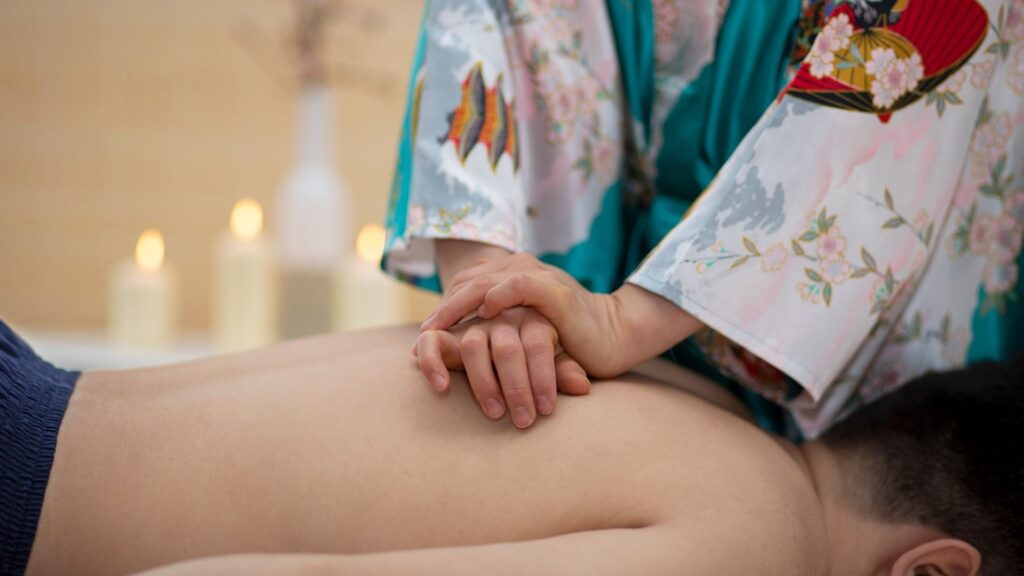
Rhythmic finger and palm pressure is applied with control and awareness, encouraging circulation and relaxation without overstimulation.
Gentle Stretching
Slow, intentional stretches support flexibility, joint health, and postural balance.
Breath and Movement Coordination
Synchronizing movement with breathing patterns helps regulate the nervous system and deepen relaxation.
Connection to Holistic Wellness
Holistic wellness focuses on the whole person rather than isolated symptoms. This traditional therapy supports that goal by addressing stress patterns, muscular tension, and mental overload simultaneously.
Benefits for holistic wellness include:
- Enhanced emotional calm
- Improved nervous system regulation
- Reduced stress accumulation
- Greater body awareness
7 Powerful Benefits for Body and Mind
- Contributes to sustainable, long-term wellness
- Encourages deep relaxation without excessive pressure
- Supports natural energy circulation
- Helps reduce chronic stress and anxiety
- Improves posture and movement awareness
- Promotes better sleep quality
- Assists emotional balance and mental clarity
Japanese Massage vs Other Massage Styles
| Aspect | Japanese Massage | Thai Massage | Swedish Massage |
| Focus | Balance & energy | Stretch & mobility | Muscle relaxation |
| Pressure | Moderate & mindful | Strong & active | Light to moderate |
| Philosophy | Holistic wellness | Physical flexibility | Physical comfort |
| Long-Term Use | Excellent | Moderate | Moderate |
This comparison highlights why Japanese massage is often chosen by individuals seeking holistic wellness rather than purely physical relief.
Who Benefits Most from This Approach?
- This form of bodywork is especially suitable for:
- Professionals looking for balance rather than quick fixes
- Individuals experiencing mental fatigue or stress
- People are sensitive to strong pressure techniques
- Wellness travelers seeking mindful experiences
Role in Modern Wellness Culture
Modern wellness trends emphasize mindfulness, personalization, and sustainability. Traditional Japanese techniques naturally align with these values, offering calm, intentional experiences that fit both luxury and everyday wellness settings.
As holistic wellness continues to gain importance, this approach remains highly relevant in spas, retreats, and private therapy practices worldwide.
Conclusion
Japanese massage represents more than a physical treatment—it reflects a philosophy of balance, awareness, and respect for the body’s natural rhythms. Supporting holistic wellness at multiple levels, it offers a sustainable path toward long-term well-being in an increasingly fast-paced world.
If you are seeking an authentic Japanese massage–inspired experience, including Nuru massage delivered with professionalism and discretion, explore more details or arrange a private session at
https://share.google/3sfs8VuxUHf9AfuK3